

Our Work
Waldorf Education emerged in Germany in 1919, initially aimed at the children of workers at the Waldorf-Astoria factory, from which the name comes. Based on the principles of Anthroposophy — a word that means "wisdom about human beings" — this educational approach was developed by the Austrian philosopher Rudolf Steiner (1861-1925).
The fundamental guidelines of Waldorf Education are based on a broad and holistic view of the human being, considering that education should promote a balanced development of the body, soul and spirit. Its methodology focuses on awakening enthusiasm for learning and providing healthy and integral growth, respecting the developmental stages of each child.
The main goal of Waldorf education is to respect and nurture the individuality of each student, encouraging their unique flourishing. The educator's role is to identify and value each child's talents and abilities, respecting their differences and needs.
By creating a welcoming and stimulating environment, where the adult's example is a mirror for students, Waldorf Education prepares children to live in a plural and multicultural society, in which diversity is respected and valued.


Programs
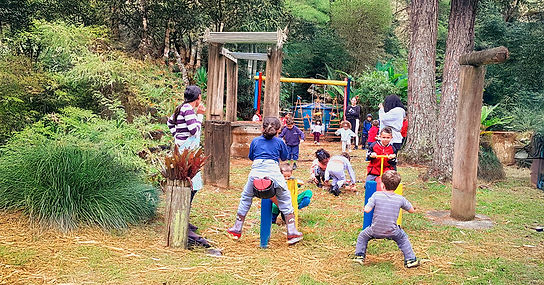
We offer social protection to children and adolescents in vulnerable and at-risk situations, promoting activities that strengthen autonomy, protagonism and citizenship. After-school care: children aged 3 to 12.

The art of education by doing
Actions carried out with a sense of Human Being, in accordance with what the environment demands.
Educators set an example, leading children to learn about their work in practice.
Agriculture, cooking, maintenance and crafts.


